From January 1 to 4, 2026, the 2026 Joint Workshop of RMTA & SNAB, hosted by the Random Matrix Theory and Applications Branch of the Chinese Association of Applied Statistics and organized by the School of Statistics and Data Science at Southeast University, was successfully held at the Purple Palace Conference Center, The Purple Palace, in Nanjing. Centered on the theme of“Integrated Innovation of Random Matrix Theory and Statistical Network Analysis,”the workshop brought together 25 leading experts, scholars, and industry professionals in random matrix theory, network data analysis, and related fields for invited talks, thereby creating a cross-disciplinary platform for academic exchange and injecting strong momentum into theoretical innovation and practical applications in statistics and data science.
The workshop was livestreamed on the Huang Danian Chasiwu Science and Technology Website, with sponsorship provided by the Huawei Lagrange Mathematics and Computing Center and the Huang Danian Chasiwu Science and Technology Website.
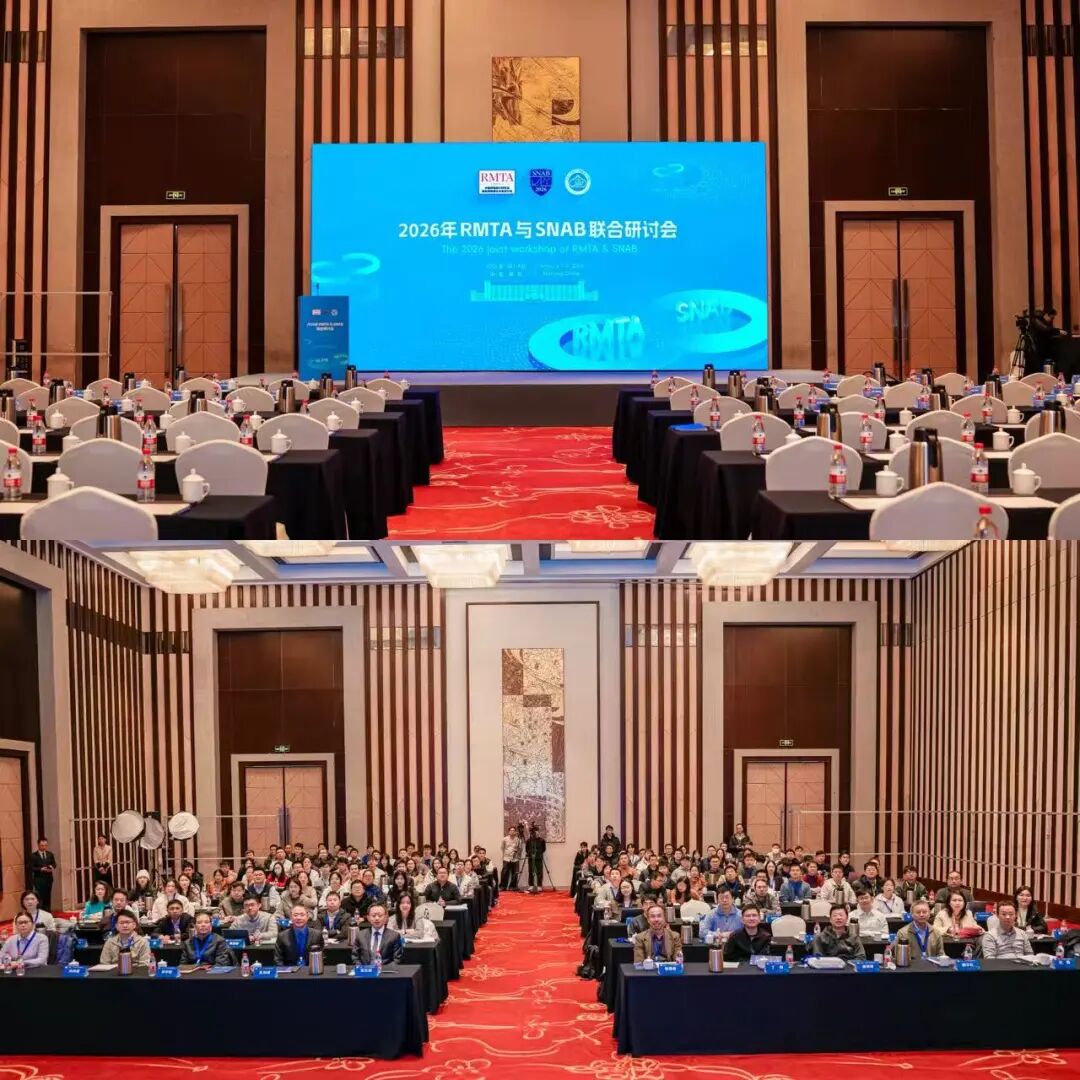
The opening session on January 2 was chaired by Zhiyuan Liu, who extended a warm welcome to all participants. In his remarks, he noted that the joint workshop was intended to further strengthen academic exchange and collaboration between the two communities and to promote interdisciplinary development in related fields.
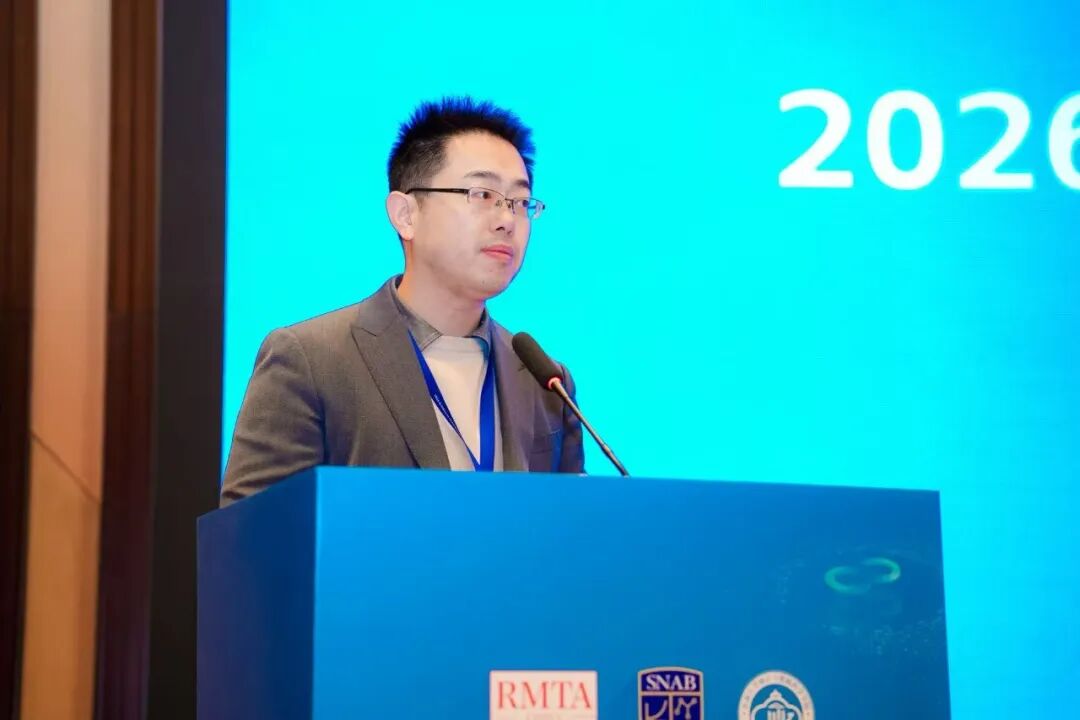
Zhichao Zhang, Mayor of Xuanwu District, Nanjing, delivered a speech in which he introduced the district’s strengths in the data industry and large-model ecosystem, and expressed strong support for deeper collaboration between academia and industry as well as for the translation of research outcomes into practice.
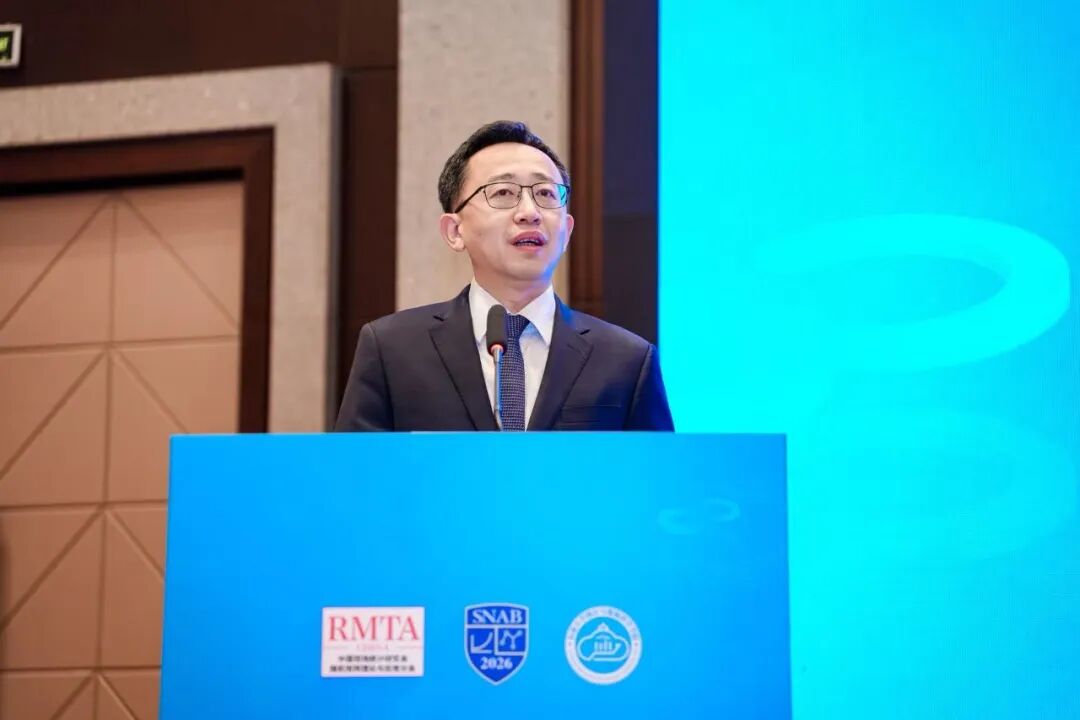
Jianfeng Yao, Co-Chair of the workshop from The Chinese University of Hong Kong, Shenzhen, pointed out that the rapid growth of large-scale and complex network data has brought new challenges to both theory and methodology. He emphasized the strong complementarity between random matrix theory and statistical network analysis, and expressed his hope that the workshop would further advance cross-disciplinary dialogue and collaboration.
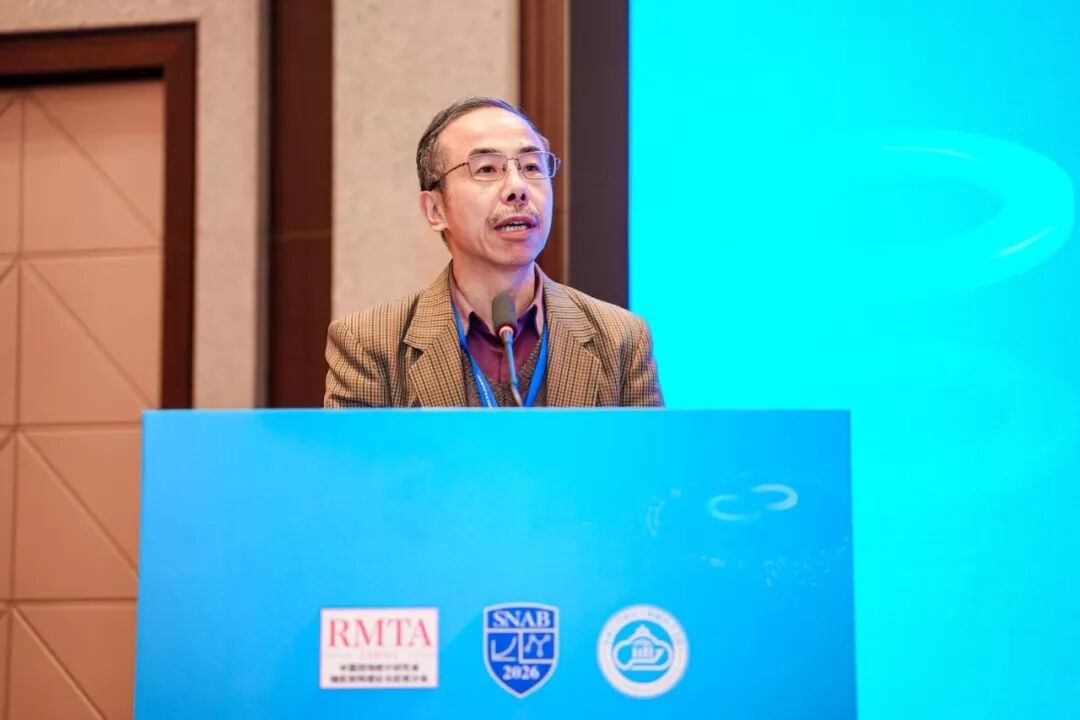
Jiashun Jin, Co-Chair of the workshopfrom the School of Statistics and Data Science at Southeast University, delivered remarks on behalf of the organizer. He introduced the recent development of the School, noting that since its establishment in December 2024, the School has brought together a number of outstanding faculty members and research teams. He also stated that the School plans to launch undergraduate enrollment in the summer of 2026 and is committed to building a high-level platform integrating education, research, and the transformation of research outcomes. Prof. Jin emphasized that the School would make every effort to ensure the successful organization of the workshop, and expressed his hope that the event would serve as a bridge to deepen academic collaboration and talent exchange among universities as well as between academia and industry, so as to jointly cultivate high-caliber talent suited to the needs of industry development.
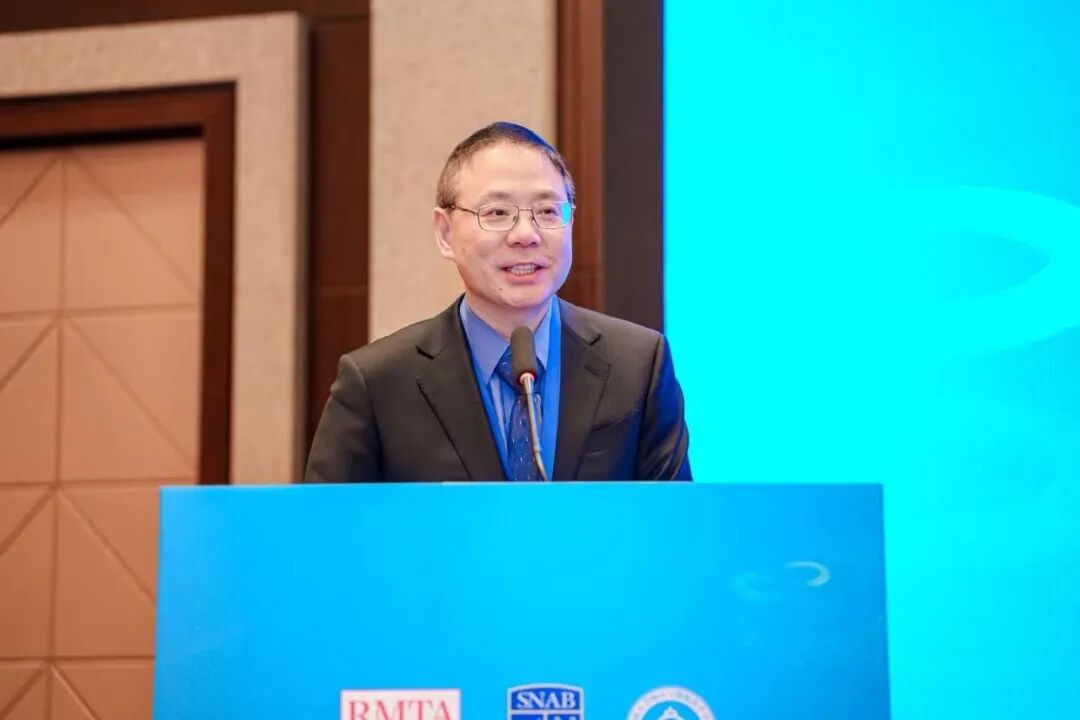
Over the course of the workshop, invited speakers presented frontier research on random matrix theory, high-dimensional statistics, network analysis, and related areas. The program also included a Poster & Award Session on January 2, followed by the presentation of outstanding poster awards on January 4. The awards were presented by Jiashun Jin and Jianfeng Yao.
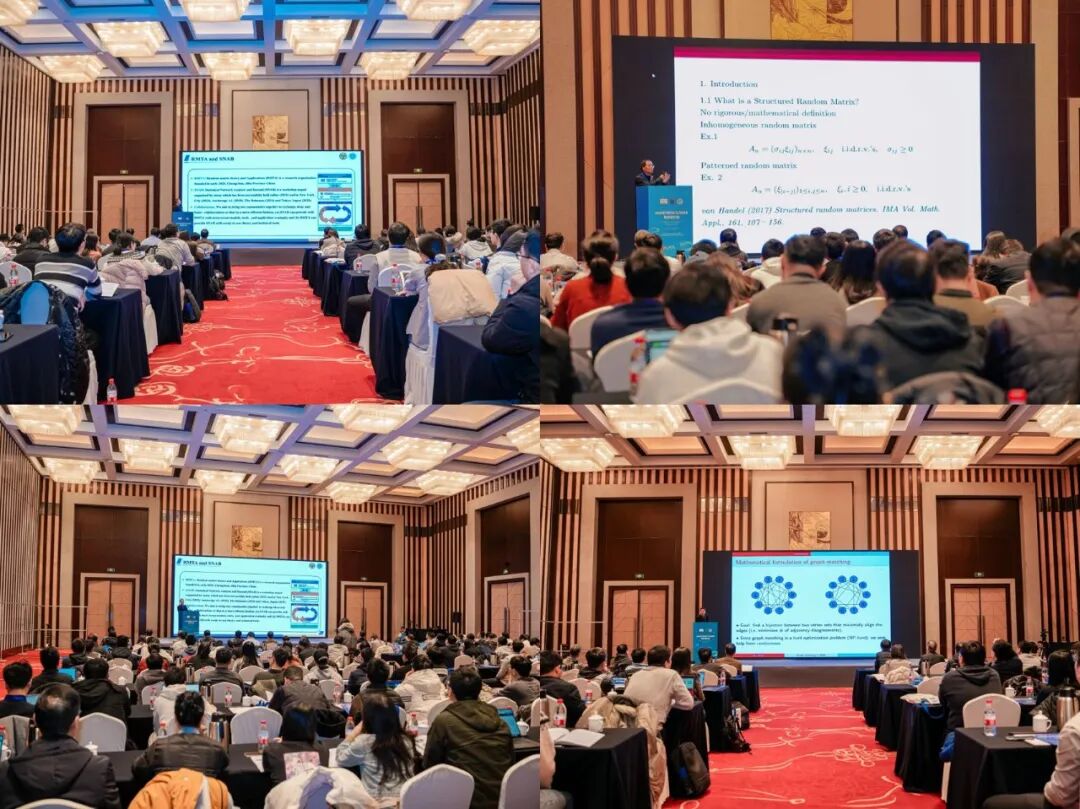
In the closing remarks, Jianfeng Yao spoke highly of the workshop’s academic quality and the vibrant discussions it generated. Jiashun Jin expressed sincere appreciation to all speakers, participants, and organizers for their support and contributions. He noted that the School of Statistics and Data Science at Southeast University will continue to promote high-level academic exchange and collaboration, and further support the integrated development of statistics, data science, and related interdisciplinary research.
The successful convening of the workshop not only fostered academic interaction between the fields of random matrix theory and statistical network analysis, but also created a high-level platform for interdisciplinary exchange, injecting new momentum into the development of statistics and data science.